Shopping for a luxury home in Bend and wondering how to finance it confidently? If your target price sits above the typical mortgage limits, you are likely looking at a jumbo loan. That can feel complex, especially when timing and valuation matter as much as terms. This guide breaks down how jumbos work in Deschutes County, what lenders look for, how long the process takes, and the strategies that help you win the home you love. Let’s dive in.
What is a jumbo loan in Bend
A jumbo loan is a mortgage that exceeds the conforming loan limit set each year by the Federal Housing Finance Agency. Loans above that limit are not purchased by Fannie Mae or Freddie Mac, so lenders use their own rules to underwrite and price them.
In Bend’s luxury market, many properties list above conforming thresholds, which means jumbo financing or cash is common. The exact limit updates annually, and some counties have higher limits than others. Check the current FHFA conforming limit for Deschutes County before you assume your purchase will require a jumbo loan.
How jumbo underwriting works
Jumbo loans involve more manual review and a closer look at your full financial picture. Because lenders cannot sell these loans to the GSEs, they set stricter standards to manage risk.
Credit and borrower profile
Most jumbo lenders prefer higher credit scores, often in the mid to high 700s. Your overall net worth and liquidity matter because the lender evaluates your ability to weather income changes or market shifts. Strong assets can offset other factors, but every lender sets its own rules.
Debt-to-income expectations
DTI limits for jumbos are usually tighter than conforming loans. Many programs prefer DTIs under 43 percent, and some require even lower ratios at larger loan amounts. If your DTI runs higher, compensating factors like larger cash reserves or a lower loan-to-value may help.
Down payment and LTV
Typical maximum LTV for jumbos falls in the 70 to 80 percent range without mortgage insurance. A few lenders may allow 85 to 90 percent for top tier borrowers. Terms vary widely, so plan to compare options and structure.
Reserves and liquidity
Expect larger reserve requirements. Many jumbo programs require at least 6 to 12 months of PITI, and some ask for 12 or more months for bigger loans, second homes, or investment properties. Self-employed borrowers may see higher reserve needs.
Documentation and income
Jumbo underwriting is document heavy. You will likely provide two years of tax returns, W 2s or 1099s, recent pay stubs, and full asset statements. Be ready to explain large deposits and provide documentation for gift funds. For complex income or wealth profiles, some lenders offer alternative products, such as bank statement or asset depletion loans, with different pricing and rules.
Appraisal and valuation
Luxury homes in Bend are often unique, with features like river frontage, mountain views, acreage, or bespoke finishes. Fewer direct comparable sales can make appraisal work more complex. Lenders may require more experienced appraisers, a second appraisal in some cases, or a larger cushion in the loan terms. Build extra time into your plan for valuation.
Rates, costs, and lender options
Jumbo pricing changes with market conditions, investor appetite, and your profile. It is smart to shop your loan across several types of lenders.
Rates and closing costs
At times, jumbo rates are slightly higher than conforming. In other cycles, they track closely or even price a touch better. Pricing can shift quickly. Closing costs may run higher due to additional underwriting, appraisal complexity, or lender fees.
Lender types to consider
- National banks with standard jumbo programs, which may have strict overlays.
- Portfolio lenders, including regional banks and credit unions, that hold loans and can be flexible for complex finances.
- Mortgage brokers who shop multiple jumbo and portfolio options.
- Private bank and wealth management lenders that offer customized structures, such as interest only or asset based solutions.
Timing and offer strategy in Bend
In a competitive luxury market, your financing plan should support a strong offer. That starts with realistic timelines and a lender that knows the Bend market.
Typical timelines
- Pre approval or pre underwrite: 1 to 2 weeks for a thorough review.
- Full underwriting to close: 30 to 45 days is common. Complex files can take 45 to 60 days or more.
The most common slowdowns are collecting asset documents, resolving appraisal questions when comps are thin, and any added credit committee reviews.
Make your offer stronger
- Seek a pre underwritten approval, not just a quick pre qual. This shows the seller your income and assets are verified.
- Provide proof of funds for your down payment, closing costs, and reserves.
- Coordinate shorter loan or appraisal timelines only if your lender is truly ready.
- Be cautious about waiving appraisal. If you do, be sure you have the liquidity for a possible gap or use an appraisal gap clause with care.
- Consider a larger earnest money deposit if it fits your risk tolerance and liquidity plan.
Coordination tips for a smooth close
Work with a lender who knows Bend luxury properties and local appraisers. Start document collection early, including explanations for large deposits and recent K 1s or 1099s. Discuss rate lock timing up front since jumbo underwriting may take longer. Ask about float down options if rates move.
Local property considerations in Deschutes County
Bend’s high end inventory includes riverfront estates, golf properties, custom homes with mountain views, and acreage or ranch properties. These features add lifestyle value and can also add underwriting layers.
Unique and custom homes
One of a kind finishes and floor plans can make appraisals more nuanced. Be ready for extended valuation timelines and possible requests for more market data.
Second homes and condos
Second home financing often comes with stricter reserve and LTV requirements. Some jumbo lenders require condo project reviews or added documentation. HOA delinquency rates and leasing rules can affect eligibility.
Acreage, ranch, and equestrian
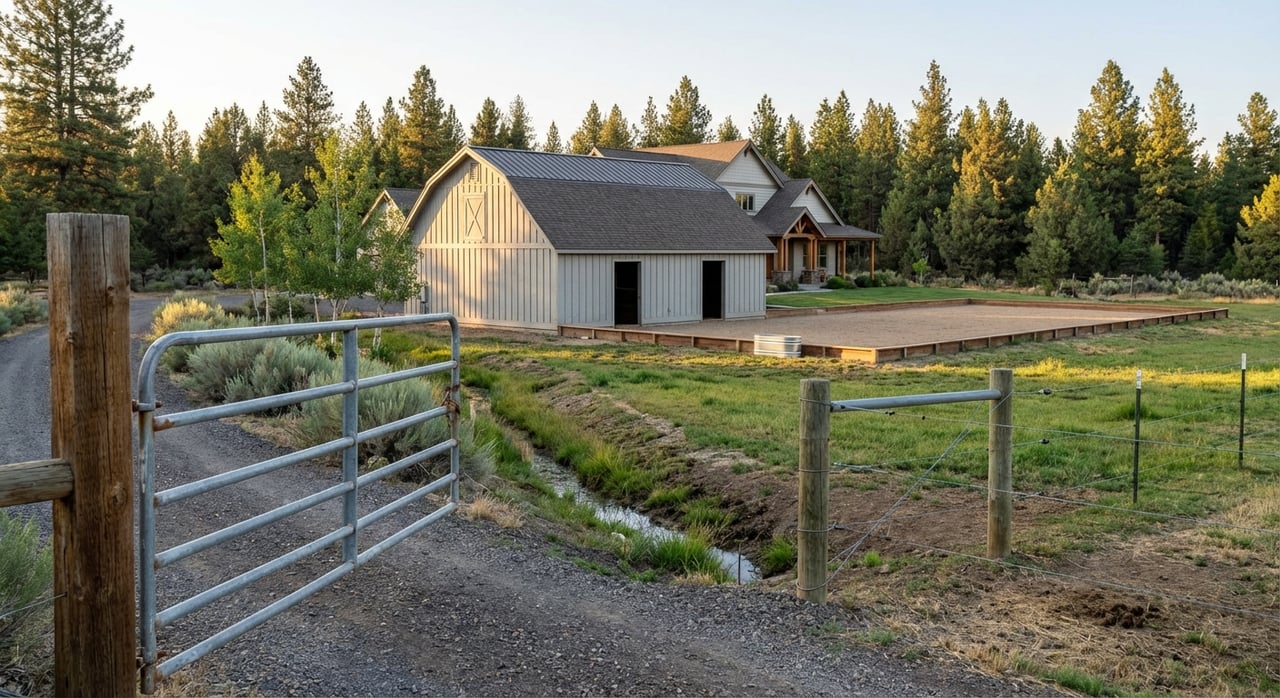
Acreage and mixed use elements can prompt additional appraisal reviews. For equestrian or ranch properties, lenders may look closely at land use, water, and outbuildings. If any income producing use exists, expect extra questions and documentation.
Step by step jumbo checklist
- Confirm the current FHFA conforming limit for Deschutes County to know if your target price requires a jumbo loan.
- Shortlist lenders with jumbo expertise and local Bend experience. Include a portfolio lender or private bank if your finances are complex.
- Assemble documents: ID, Social Security number, two years of tax returns, W 2s or 1099s or K 1s, recent pay stubs, bank and investment statements, and statements for any real estate you already own.
- Clarify reserve expectations with your lender. Aim to have at least 6 to 12 months of PITI available, and more for second homes or larger loan sizes.
- Request a full pre underwritten approval letter to strengthen your offer.
- Discuss appraisal logistics early. Ask about local comps, appraisal turnaround, and the possibility of a second appraisal if needed.
- Plan your offer strategy with your agent and lender. Set realistic loan and appraisal timelines, and decide in advance how you will handle any valuation gap.
- Set a rate lock plan that fits your timeline. Ask about extension costs and float down options if the market moves.
Bringing it all together
The right jumbo strategy helps you compete and close on the home that fits your lifestyle. Start early, choose an experienced jumbo lender, and line up reserves and documentation before you write an offer. With a clear plan, you can navigate underwriting, valuation, and timelines with confidence and keep your focus on the Bend lifestyle you want.
If you are planning a move or a second home in Central Oregon, connect for tailored guidance and a discreet, high touch experience from search through closing. Reach out to Karen Wilson to start your plan.
FAQs
What makes a loan “jumbo” in Deschutes County
- A jumbo loan exceeds the FHFA conforming limit for the county, so it is underwritten to lender specific standards instead of GSE rules.
How much down payment is typical for a jumbo loan
- Many jumbo programs cap loan to value around 70 to 80 percent, with some allowing higher for very strong borrowers, subject to lender rules.
Why do jumbo appraisals in Bend take longer
- Luxury and unique properties often lack direct comps, so appraisers need more analysis and lenders may require added reviews or a second appraisal.
How many months of reserves should I plan for
- Many lenders want at least 6 to 12 months of PITI, and some require more for larger loans, second homes, or complex financial profiles.
What makes a jumbo offer more competitive in Bend
- A pre underwritten approval, verified proof of funds, realistic contingency timelines, and a plan to handle any appraisal gap can reduce seller risk.
Are rates always higher for jumbo loans
- Not always, since jumbo pricing shifts with market conditions and investor demand, so it is smart to compare offers from several lender types.