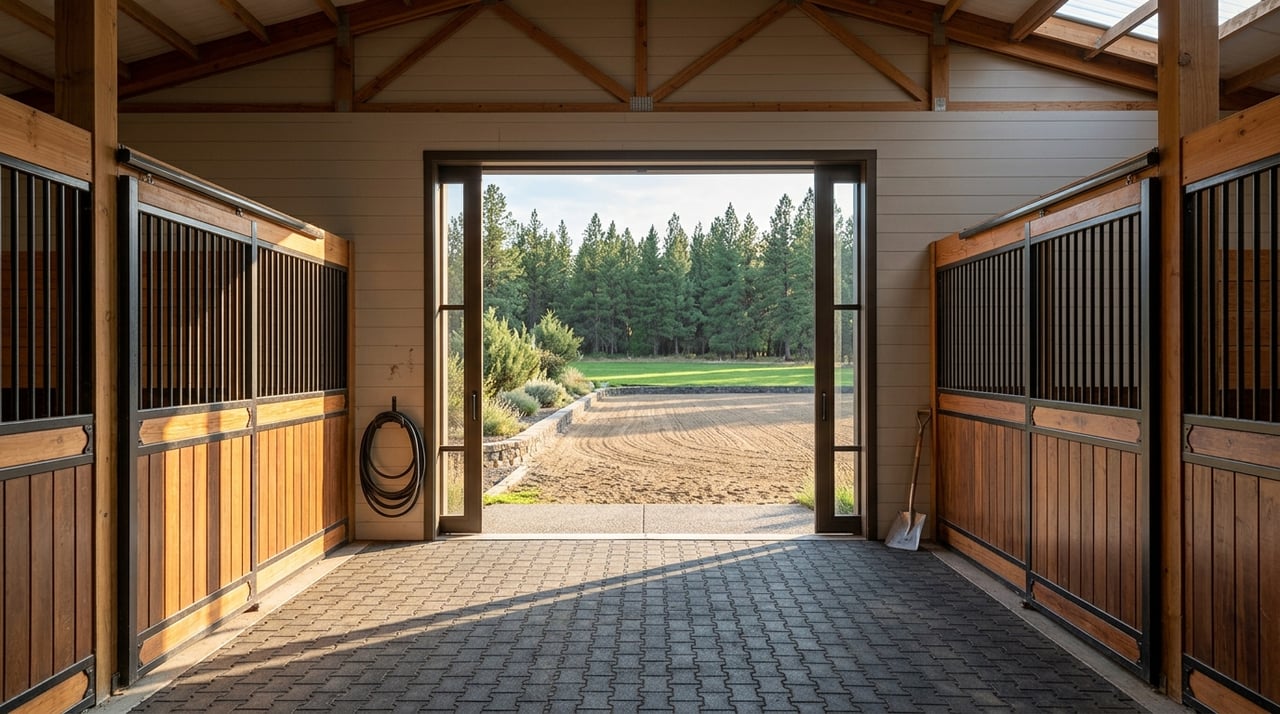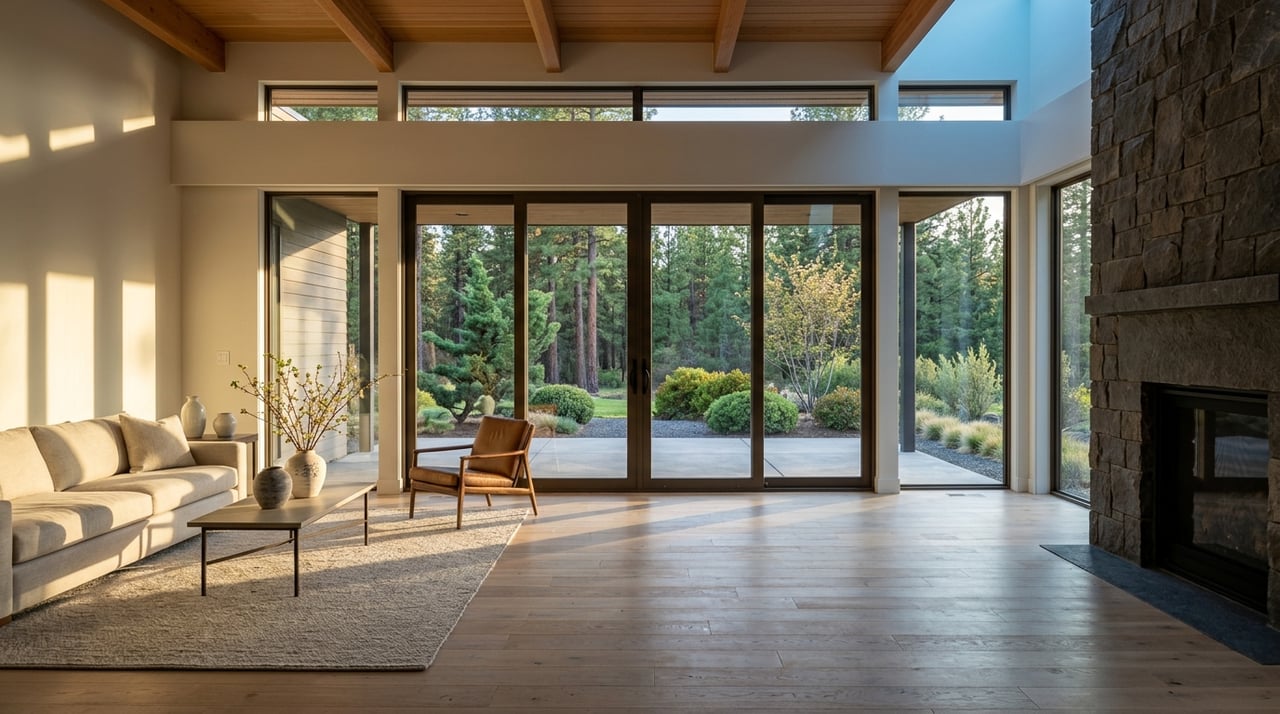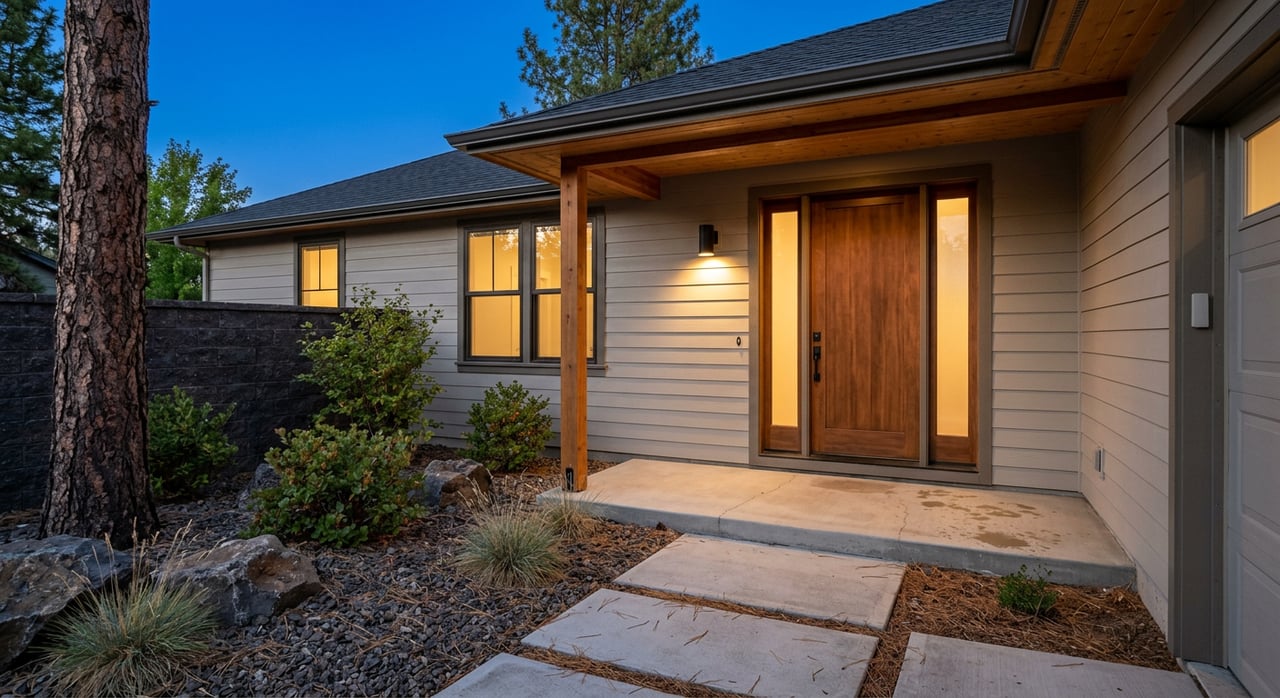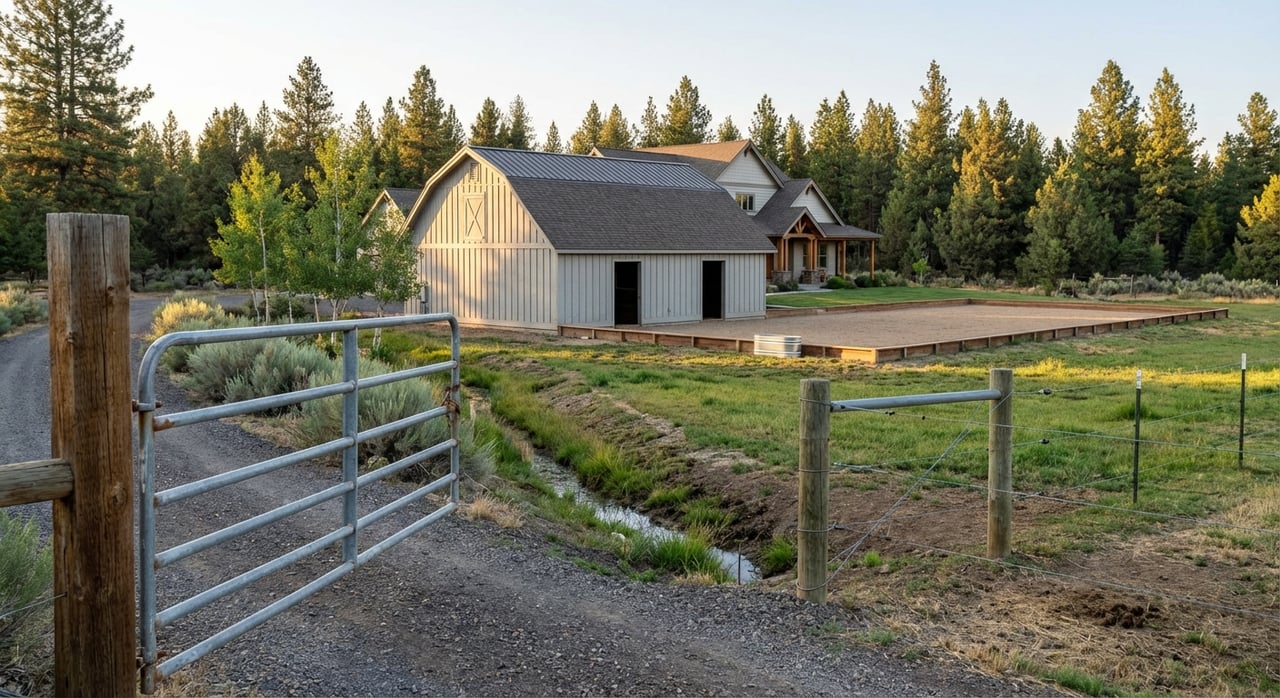
Picture morning light on the Cascades, a quiet barn aisle, and the option to trailer out or simply ride from your gate. If you want rural breathing room with quick access to Bend, the Tumalo area often rises to the top of the list. In this guide, you’ll learn how Tumalo’s land, water, and trail assets translate to real value for horse owners, plus the key checks to run before you buy. Let’s dive in.
Why Tumalo works for riders
Tumalo sits just northwest of Bend, so you get acreage and a relaxed pace while staying minutes from town. Many equestrian properties feature irrigated pasture or hay ground, which is a major advantage in Central Oregon’s dry climate. You also find ride-out opportunities to public lands, including one of the area’s most popular multi-use trail networks.
Two pillars often set Tumalo apart: Tumalo Irrigation District water rights and Maston BLM trail access. Understanding how each one works will help you compare properties with confidence.
Land, water and pasture basics
Tumalo Irrigation District essentials
Water is the backbone of a working horse property here. The Tumalo Irrigation District (TID) delivers irrigation water to much of the Tumalo area, and many listings highlight deeded TID water rights as a primary feature. TID explains how its system serves patrons across thousands of irrigated acres, and why delivery schedules matter for hay and pasture planning. You should verify the exact right on any parcel, including authorized irrigated acres, priority date, delivery method, and whether the account transfers with the deed. You can find background details on the district and water supply on the Tumalo Irrigation District overview page.
When a listing mentions “TID acres,” ask the seller’s agent for the recorded water-right documentation, then confirm with TID and the title company. If you plan to fill a pond or run winter stock water, ask TID about delivery windows and practical stock-water notes.
Soils and climate realities
Tumalo’s soils are part of the story. The USDA describes the local Tumalo soil series as pumice-rich with low organic matter and limited water-holding capacity. This affects pasture performance and where you might site barns, arenas, or a new septic system. You can read the official series description on the USDA NRCS Tumalo soil page.
Climate matters too. Central Oregon receives modest precipitation concentrated in winter and spring, so irrigated pasture is common. Without irrigation, expect native range and sparse seasonal grazing. Local research emphasizes that forage yields vary by irrigation, soil depth, and management, so plan your stocking and hay budget conservatively. OSU shares trial results and local forage context through its Central Oregon research station; you can browse reports on the OSU COAREC resource page.
Hay and forage planning
A functioning local hay community is a benefit for Tumalo buyers. If you want to put up your own hay, confirm how many irrigated acres are included, the historic yield, and the current irrigation method, such as pivots or wheel lines. If you plan to buy hay instead, check storage capacity, delivery access, and winter logistics. Either path starts with confirming water rights and realistic forage expectations for the site.
Riding access around Tumalo
Maston trail system highlights
The Maston BLM trail system offers nearly 50 miles of multi-use routes that riders use year-round, conditions permitting. Many Tumalo properties note close proximity or a short trailer hop to Maston. For route maps, trail etiquette, and seasonal notices, start with the official Maston trail page. Always check for wildlife-related seasonal closures before you go.
Tumalo Reservoir area
Horses are not permitted in the Tumalo Reservoir itself, but the surrounding roads and tracks provide additional riding opportunities. Expect a mix of signed and user-created routes, so bring a map or trail app if you are exploring new loops. A local overview of access and trail character is available in this Tumalo Reservoir riding guide.
National Forest rides
Higher-elevation trails in the Deschutes National Forest open up alpine and subalpine rides in the snow-free season. These trailheads are a longer drive from Tumalo but are a staple of the Central Oregon riding calendar. Check seasonal access and trail advisories through the Forest Service project and trail notices on the Deschutes National Forest site.
Facilities, boarding and services
Local boarding and arenas
Tumalo supports a healthy mix of commercial stables and private boarding setups. Operations such as JGW Ranch, Flyspur Ranch, and Tumalo Alpen Ranch highlight the variety you can find, from lesson programs to arenas and trail rides. If you are easing into ownership or traveling often, boarding nearby can bridge the gap while you customize your own property.
Veterinary care and farrier network
The region’s full-service referral hospital, Bend Equine Medical Center, offers ambulatory calls and 24/7 emergency care. That level of support is a major comfort when you keep horses at home or operate a performance program. Learn more about services and emergency response on the Bend Equine Medical Center site.
Feed, hay and tack supply
Deschutes County is served by regional dealer networks for feed and tack, and a robust local hay market helps with winter planning and emergency supply. Before you buy, note the distance to your preferred dealers and whether your property has the space and access for large deliveries.
What you will see in listings
Listings that work well for horses tend to share a few features:
- TID water rights with irrigated hay or pasture acreage.
- Barns and storage such as stalls, tack rooms, hay barns, and equipment bays.
- Arenas and footing including indoor or outdoor arenas, round pens, and safe, well-drained footing.
- Fencing and shelters with cross-fencing, loafing sheds, and dry-lot or sacrifice paddocks.
- Irrigation infrastructure such as pivots, wheel lines, pumps, and headgates.
Premium properties may also offer indoor arenas, improved waste-handling, and landscaped outdoor living that frames mountain views. Regional ranch write-ups often highlight these elements because they reduce setup time and cost for new owners. For a sense of how luxury equestrian estates present, browse a curated example like the Seven Peaks Estate featured by a ranch brokerage on Fay Ranches.
Rules and due diligence
Zoning, ADUs and permits
Start with Deschutes County Planning to confirm zoning and allowed uses on any parcel you are considering. Rural accessory dwelling units follow state and county rules, including lot-size minimums and service requirements, and they are not allowed in certain resource zones. Use the county’s research tools and checklists to scope feasibility early in your process. The county publishes an ADU research checklist and contact information on the Deschutes County Planning page.
If you plan to board horses or teach lessons for pay, ask the county about whether a Conditional Use Permit applies. Expect conditions around traffic, parking, manure management, and safety.
Water rights, wells and septic
Confirm recorded TID water rights with the district and your title company, including the number of irrigable acres, priority date, delivery method, and transferability. For domestic and livestock water, review well logs and test production. Because soils here are pumice-rich, order a septic site evaluation early to avoid surprises. TID’s background on service area and water delivery is available on the Tumalo Irrigation District site, and county septic and permit steps are covered through Deschutes County’s planning resources.
Access, easements and trails
Check for legal road access, all recorded easements, and practical trailer maneuvering space. If ride-out access is part of the appeal, verify whether it relies on a private easement or direct adjacency to public land. For public trailheads and system maps, use official sources such as the Maston BLM trail page.
Wildfire preparation and insurance
Central Oregon experiences seasonal wildfire risk. Ask the local fire district about response times and recommended defensible space practices, and talk to your insurance agent about how location may affect premiums. Bend Fire & Rescue and the Deschutes Rural Fire Protection District share home-hardening guidance and insurance context on their fire insurance information page.
Tumalo vs nearby areas
When you compare Tumalo to other horse-friendly pockets, here are high-level differences to keep in mind:
- Powell Butte. Often features larger pivot-irrigated hay operations served by the Central Oregon Irrigation District, which can appeal to buyers focused on forage production. Learn about the district on the COID overview page.
- Sisters and higher elevations. Larger parcels and closer access to high-country rides, with more winter and potentially less irrigation infrastructure on average.
- Sunriver and resort communities. Convenient trail networks and boarding with smaller lots or HOA limitations on agricultural uses. These areas trade private acreage for amenities.
Your path to the right Tumalo property
If Tumalo matches your riding lifestyle, a little structure will go a long way. Start with a clear list of must-haves, like ride-out access, a minimum number of irrigated acres, or space for an arena. Then sequence your due diligence to confirm zoning, water rights, well and septic feasibility, and wildfire considerations before you invest time and resources in design.
A broker with hands-on equestrian experience can help you read between the lines in a listing and pressure-test the details with TID, county planning, and local service providers. If you value a calm, concierge process and practical horse sense alongside premium marketing, let’s talk about how to make Tumalo work for you. Schedule a Private Consultation with Karen Wilson to explore current opportunities and a smart plan for your purchase.
FAQs
What makes Tumalo attractive for horse properties?
- Tumalo offers close access to Bend services, frequent TID-irrigated pasture or hay acreage, and nearby ride-out to public lands like the Maston BLM trail system.
How do TID water rights affect property value in Tumalo?
- Deeded TID irrigation rights can enable reliable pasture or hay production, which supports horse care and reduces feed costs, so you should verify authorized acres, priority date, and transferability with the district.
Where can you ride near Tumalo if you want trails?
- Maston’s BLM system provides nearly 50 miles of multi-use trails and the Tumalo Reservoir area offers routes on surrounding roads and tracks, with higher-elevation Forest trails available seasonally.
What should you budget for hay and feed in Central Oregon’s climate?
- Expect to buy hay at least part of the year because precipitation is limited and forage yields vary by irrigation, soil, and management, so plan conservatively and confirm local supply logistics.
Can you add an ADU on a rural Tumalo parcel?
- It depends on zoning and state rules for rural ADUs, so confirm eligibility, lot size, and service requirements with Deschutes County Planning early in your due diligence.
How do soils impact septic, arenas, and barns in Tumalo?
- Pumice-rich Tumalo soils have lower water-holding capacity, which can influence septic feasibility and footing performance, so site evaluations and proper grading are important.
Who provides equine emergency care near Tumalo?
- Bend Equine Medical Center offers ambulatory services and 24/7 emergency care, which is a key advantage for owners keeping horses at home in the Tumalo area.