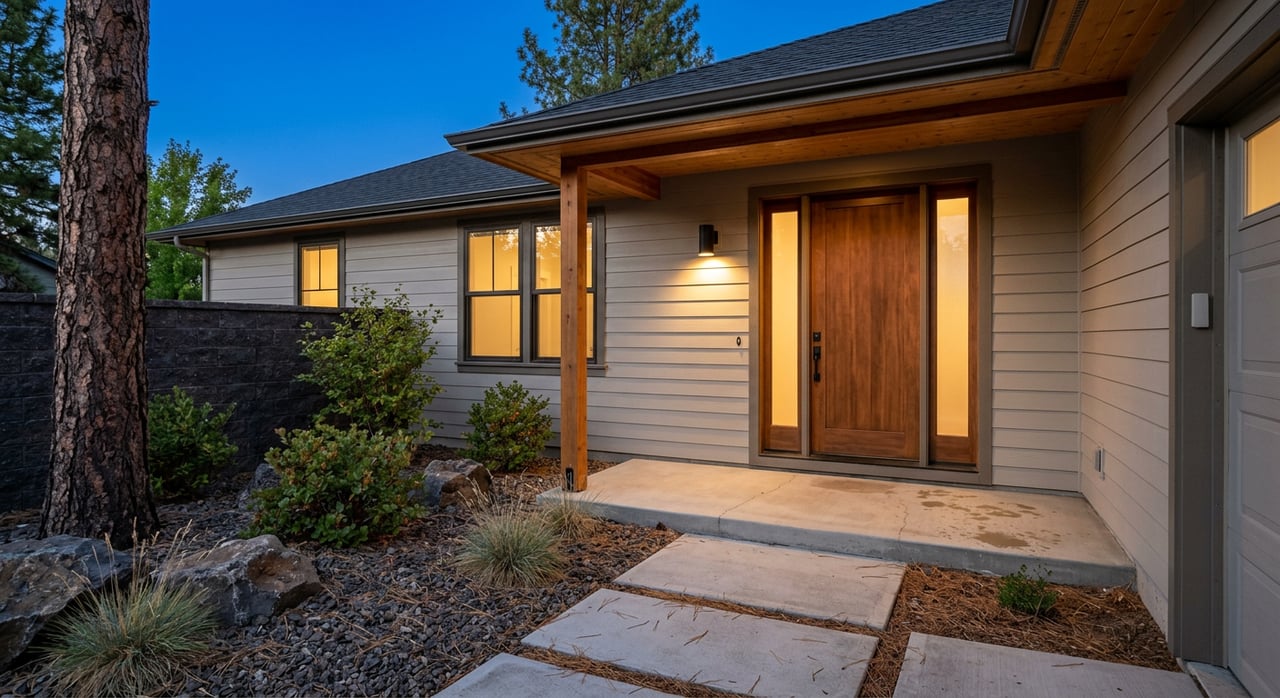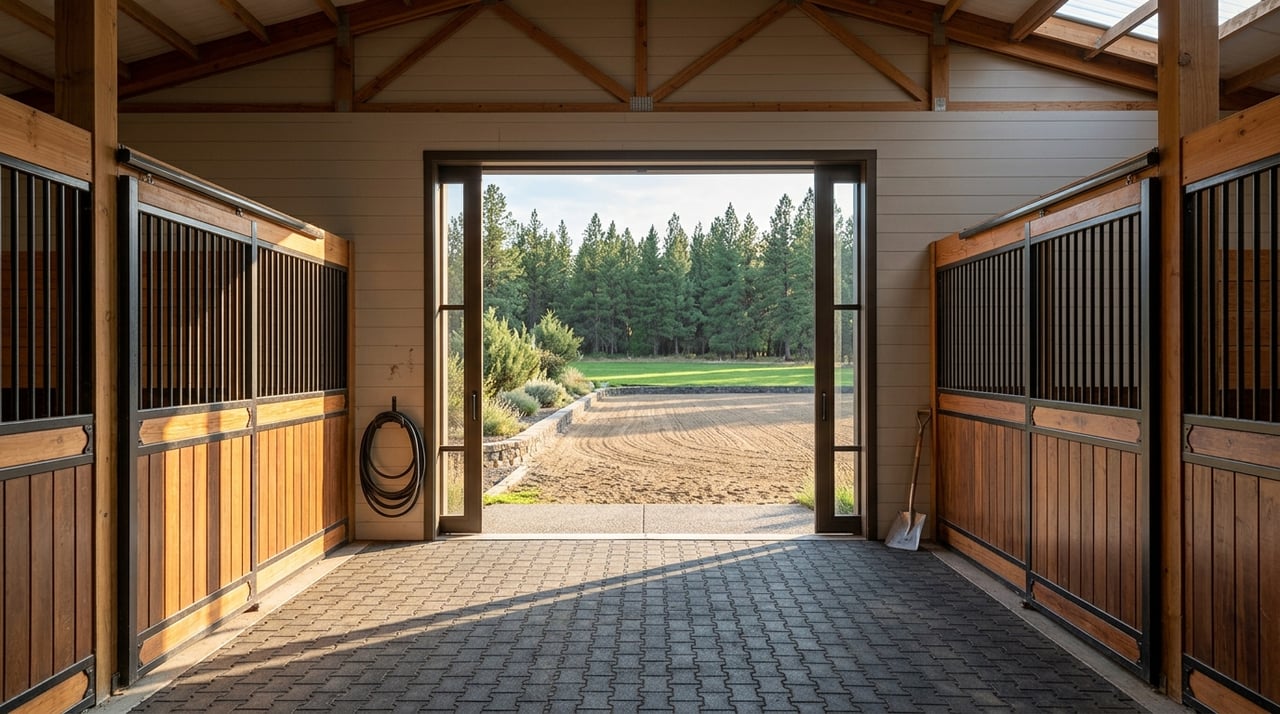
If you are listing equestrian property near Tumalo, you already know buyers look beyond the house. They want to understand how the land works, whether the water is documented, and if the horse setup is truly functional. A strong listing does more than look beautiful, it answers those questions early and builds confidence before a showing ever happens. Let’s dive in.
Understand what drives value in Tumalo
Tumalo is not a typical suburban market. As a rural community about seven miles northwest of Bend, property value is often shaped by irrigation, onsite wastewater, well information, and zoning just as much as square footage or finishes. According to the Tumalo Water User’s Handbook, the area depends heavily on irrigation and rural land systems, which directly affect how acreage is used and perceived.
That means your marketing strategy should start with the land itself. Buyers shopping for horse property near Tumalo tend to focus on utility, condition, and compliance. If your listing presents those details clearly, you can create a more credible first impression and reduce friction during due diligence.
Verify zoning before marketing
Before you describe a property as a horse setup, verify what the parcel actually allows. Deschutes County notes that zoning should be confirmed parcel by parcel through county resources because summaries are only informal guides, and actual code and staff review matter. You can start with the county’s Zoning 101 page and relevant base zone information.
In the Tumalo area, common rural zones such as MUA-10 and RR-10 may allow agriculture and small-scale horse stables, while EFU land is primarily for farm use and not every lot can support a residence. That distinction is important when you write marketing remarks, prepare disclosures, and answer buyer questions. Clear, accurate zoning language helps avoid overpromising and keeps your listing aligned with the parcel’s actual use.
Why zoning language matters
A buyer may love the arena, barn, or turnout layout, but they will still want to know whether the current use aligns with the parcel’s zoning. If there is any mismatch between marketing language and allowed use, it can slow negotiations or create avoidable concern.
A better approach is to describe improvements factually. Focus on what exists today, note the parcel’s base zone, and encourage buyers to complete their own verification with the county. That keeps the listing informative without stretching beyond documented facts.
Put water documentation first
For Tumalo equestrian properties, water is often the first major due-diligence topic. The Tumalo Irrigation District handbook explains that irrigation rights are appurtenant to the land they serve, must be put to beneficial use, and remain tied to those acres. It also notes that land covered by buildings, driveways, or large ponds does not count as irrigated acreage.
This matters because buyers may assume all acreage is equally usable or irrigated. If your property includes irrigation rights, present a clear summary of what is documented, how much acreage is actually irrigated, and what district records are available. If a buyer would want a different place or type of use, that is not a casual change. The Oregon Water Resources Department requires transfer approval before that change can happen.
Helpful water records to gather
Before listing, it helps to assemble a simple file that includes:
- Irrigation district records
- A summary of documented water rights
- Notes on which acres are actually irrigated
- Any maps or parcel materials that help show water use
This kind of preparation can make your listing feel more transparent and professionally managed.
Prepare well and septic paperwork early
Because Tumalo has no community wastewater facility, private wells and onsite systems are a major part of the value story. The Tumalo Community Plan information in the handbook highlights the area’s reliance on private systems, and that reality should shape your listing prep.
If the property has a domestic well, Oregon’s Domestic Well Testing Act requirements apply at sale. Sellers must test for arsenic, nitrate, and total coliform bacteria, and those results are valid for one year. The seller or representative must also provide the results and RET form to the buyer and the state within 90 days.
If the well does not already have an identification label, the landowner must obtain and attach one within 30 days of transfer. These are not small details. For many rural buyers, current well documentation signals that the property has been responsibly prepared for market.
Septic matters just as much. The Oregon DEQ recommends a professional septic evaluation when a home is bought or sold, and if an evaluation is performed it must use the approved form and a qualified inspector. On an equestrian property with a home, guest space, or ADU, septic capacity and drainfield layout can become central value questions.
Show pasture health and maintenance
Horse buyers notice land condition quickly. According to OSU Extension guidance for small-acreage horse farms in Central and Eastern Oregon, healthy pasture with good ground cover supports forage, protects water quality, and helps limit weed pressure. The same guidance explains that a dry lot is one of the best tools for protecting pasture on small horse properties.
That means buyers are not just seeing green grass. They are reading signs of management. Bare spots, muddy gates, overgrazed sections, or visible weed issues can make a property feel harder to own, even if the structures are attractive.
Smart pre-listing pasture prep
Before photos and showings, consider practical steps such as:
- Reseeding bare areas
- Controlling visible weeds
- Clipping fence lines and edges
- Improving drainage near paddocks and barns
- Showing how manure and runoff are managed
- Presenting a dry lot or turnout area clearly
Deschutes County’s noxious weed program notes that weeds can reduce property values, harm livestock, and spread across fields and yards. A tidy, well-managed exterior helps buyers understand that the property has been cared for at ground level, not just cosmetically.
Market the horse setup by function
When you describe equestrian improvements, function matters more than hype. OSU Extension notes the importance of safe, well-drained surfaces and enough space to keep horses off saturated ground. Buyers want to understand how the property works day to day, not just how many stalls it has.
A strong listing should explain the full equestrian workflow where applicable. That can include trailer parking, tack storage, wash space, paddocks, fencing, footing, turnouts, and areas that remain useful during winter conditions. This kind of practical framing speaks directly to knowledgeable buyers and helps your listing stand out for the right reasons.
Features buyers often prioritize
Here are the details many equestrian buyers want to see addressed clearly:
- Barn layout and stall count
- Arena or riding space
- Footing and drainage conditions
- Trailer access and turnaround space
- Fencing and gate layout
- Tack and feed storage
- Turnout and dry lot options
- Winter usability
The more clearly you can show these systems in photos, notes, and disclosures, the easier it is for buyers to picture daily life on the property.
Be precise about trail access
Riding access can be a powerful part of the Tumalo lifestyle story, but it needs careful wording. The BLM Maston Trail System near Tumalo offers horseback riding across about 4,000 acres and nearly 50 miles of trail. The Forest Service also identifies equestrian access in the Happy Valley area through the Metolius-Windigo Trail, as cited in the research provided.
Still, nearby recreation should be described with precision. If access is deeded, shared, nearby, or simply convenient by trailer, those are very different value propositions. Buyers appreciate clarity, and accurate wording protects the integrity of your listing.
Seasonality also matters. The BLM has announced seasonal closures near Tumalo Reservoir to protect nesting birds of prey. If you mention trail systems or recreation access, avoid implying year-round availability unless that is specifically documented.
Build a stronger disclosure package
A well-prepared disclosure package can make a major difference with rural acreage. Oregon requires brokers to provide the Initial Agency Disclosure Pamphlet at first contact, and transaction files often include the signed listing agreement, the Seller’s Property Disclosure Statement, proof of ownership or signing authority, and relevant zoning or flood information.
For horse property near Tumalo, the seller’s file should usually go further. Oregon law makes clear that the Seller’s Property Disclosure Statement is based on the seller’s actual knowledge, and buyers may have a limited right to revoke in some transactions if they do not accept that disclosure. Completeness matters.
What to include in a Tumalo equestrian file
A strong pre-market due-diligence folder may include:
- Parcel and zoning map
- Water-right summary
- Irrigation district records
- Current well test results
- Septic evaluation, if available
- Barn and arena inventory
- Fence and gate notes
- Photos showing turnout, drainage, and trailer access
- CC&Rs, lease information, or special assessments if relevant
This kind of file does not just answer questions. It can help create smoother negotiations because buyers have key facts in front of them from the start.
Position the property as a lifestyle and a system
Near Tumalo, equestrian value lives in both experience and infrastructure. Buyers may be drawn to mountain views, open skies, and access to riding, but they also want confidence in wells, irrigation, septic, zoning, and pasture management. The best listings connect those two sides of the story.
That is where careful presentation matters. When your property is marketed with accurate land details, thoughtful disclosures, and a clear explanation of how the equestrian setup functions, it is easier for buyers to see not just a beautiful place, but a workable one.
If you are preparing to sell equestrian property near Tumalo and want guidance that blends market strategy with practical horse property expertise, connect with Karen Wilson to schedule a private consultation.
FAQs
What should sellers highlight when listing equestrian property near Tumalo?
- Sellers should focus on documented water rights, zoning, well and septic information, pasture condition, drainage, and how the horse facilities function day to day.
Why do water rights matter for Tumalo horse properties?
- Water rights often affect how acreage can be used and marketed, and buyers commonly ask how much land is actually irrigated and whether the rights are documented through Tumalo Irrigation District.
What well testing is required when selling rural property in Oregon?
- For many sales involving a domestic well, Oregon requires testing for arsenic, nitrate, and total coliform bacteria, with results provided to the buyer and the state under the Domestic Well Testing Act.
Should sellers get a septic evaluation before listing a Tumalo acreage?
- A septic evaluation is not always mandatory before listing, but DEQ recommends one when a home is being bought or sold, and it can help answer buyer questions early.
How should trail access be described in a Tumalo equestrian listing?
- Trail access should be described precisely as deeded, shared, nearby, or conveniently accessed by trailer, and sellers should avoid implying year-round use if seasonal closures apply.
What documents help a Tumalo equestrian listing feel more credible?
- A strong file often includes zoning information, parcel maps, irrigation records, well test results, septic details, and notes about barns, fencing, turnout areas, and access points.