What makes one acreage property feel merely large while another feels truly luxurious? In Redmond, the difference often comes down to how clearly the property delivers privacy, usability, and a lifestyle that fits Central Oregon. If you are preparing to sell acreage in this market, the right positioning can help buyers see more than land size alone. Let’s dive in.
Why Redmond Acreage Stands Out
Redmond sits in a part of Deschutes County known for wide-open high desert, mountain views, and easy access to outdoor recreation. The county is shaped by snowcapped peaks to the west, open terrain to the east, and destination draws like Smith Rock. Redmond also benefits from a commercial airport that reports about 30 daily flights on five carriers, which adds convenience for relocation and second-home buyers.
That combination matters because luxury buyers are often shopping for an experience, not just a house. They may be looking for a private retreat, a base for recreation, or a property that supports hosting and multigenerational living. In Redmond, acreage can answer that demand when it is presented with intention.
Market context supports that story as well. Redfin reported a March 2026 median sale price of $470,000 in Redmond, while Zillow placed typical home value at $516,562 as of April 30, 2026. At the same time, Deschutes County reports that development around Redmond is constrained by surrounding public and county-owned land, with relatively few vacant residential parcels near the urban growth boundary.
For sellers, that means well-prepared acreage can compete from a position of scarcity. It also means your property should be marketed as something distinct, not as a standard home with extra land attached.
Luxury Buyers Want More Than Acre Count
Today’s luxury buyer is not automatically chasing the biggest home or the most square footage. Buyer research shows growing interest in features tied to nature, wellness, cost savings, and lower environmental impact. Access to outdoor activities, trails, and open space ranks high among what buyers value.
In Redmond, that lines up naturally with the setting. A property with clean sightlines, room to move, and a strong connection to the landscape can be more compelling than one that simply lists its acreage total. The message should focus on how the property lives day to day.
That means asking a different set of marketing questions. Does the property offer privacy without isolation? Can you move easily from the home to outdoor gathering areas, a shop, or equestrian features? Does the layout support recreation, guests, or easy lock-and-leave ownership for a second-home buyer?
These are the details that turn acreage into a luxury offering. They help buyers imagine a complete lifestyle, which is often what drives a premium decision.
Lead With the Lifestyle Story
For many Redmond acreage properties, the strongest first impression is not a long list of specs. It is a clear story about what life there feels like. Big skies, mountain light, morning coffee on a covered patio, organized barn space, room for horses, or a smooth setup for weekend guests all help define value.
This is especially important in a county where second homes, vacation homes, and short-term rentals are common in tourism-oriented areas. Deschutes County also reports that 28% of homes in the unincorporated county are neither owner- nor renter-occupied. That tells you many buyers may be evaluating property through a lifestyle or part-time ownership lens rather than only as a full-time residence.
Your marketing should reflect that audience. Instead of centering only on bedroom count or parcel size, show how the property supports outdoor living, recreation, flexibility, and ease of ownership. Luxury presentation works best when it helps buyers picture themselves there.
Show Usable Land, Not Just Land Size
Acreage buyers tend to look past the headline number quickly. What they really want to understand is how much of the property is usable, how it is laid out, and what it can support today. In other words, 10 scenic acres and 10 functional acres are not always the same thing.
Deschutes County’s RR10 zone is an important reference for rural residential land. It requires 10 acres for a standard land division and allows uses such as single-family dwellings, accessory dwelling units, agriculture, small-scale horse stables, and limited home businesses. The county also notes that many existing RR10 lots were created before current standards and may be smaller than 10 acres.
That is why sellers should be precise. If part of the land is pasture, fenced area, level building space, or easy-access open ground, that should be clearly identified. If some of the acreage is primarily scenic, sloped, or limited by setbacks, that should be understood before the property goes to market.
Present Barns and Shops With Clarity
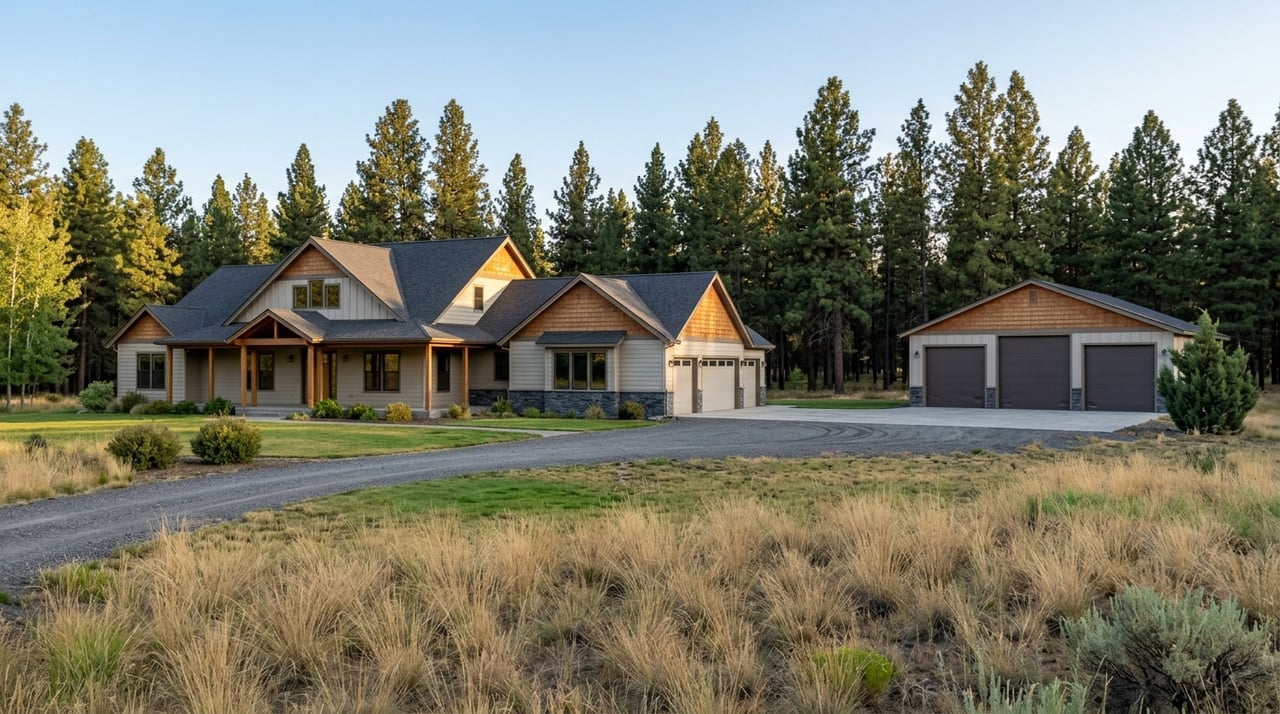
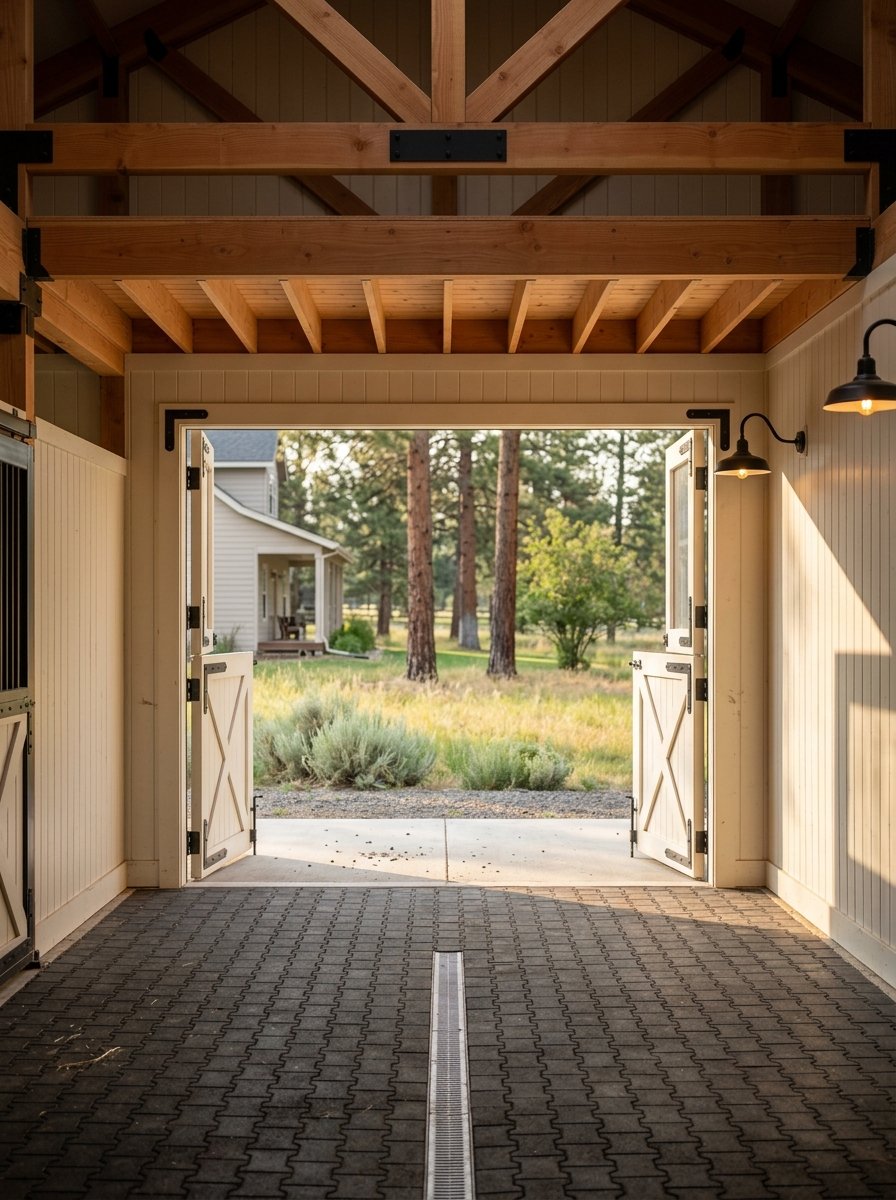
In the luxury acreage space, outbuildings can add major appeal. A well-designed shop, barn, equipment building, or covered storage area can support hobbies, equestrian use, vehicles, and day-to-day function. But high-end buyers usually want more than a quick mention in the listing.
They want confidence that the infrastructure is legitimate, useful, and ready for the next owner. Deschutes County states that new detached structures require property research before building permits, and even when exemptions may apply in certain farm or forest situations, additional permits for electrical, mechanical, plumbing, or septic work may still be required.
For sellers, this means documentation matters. Permit history, intended use, dimensions, utility connections, and practical function should all be organized in advance. A barn or shop becomes more valuable when a buyer can understand exactly how it fits the property.
Highlight ADU and Guest Potential Carefully
Flexible living arrangements can strengthen the appeal of a Redmond acreage property. Buyers may be interested in space for extended guests, multigenerational living, a caretaker setup, or added privacy for longer stays. When allowed and properly documented, that can be a meaningful advantage.
Deschutes County allows rural accessory dwelling units in designated rural residential exception areas, including Multiple Use Agricultural and Rural Residential zones. The county’s rural housing profile estimates that about 8,600 properties may be eligible for an ADU.
If your property has an existing second unit, guest setup, or realistic ADU potential, present it carefully and factually. The key is to avoid broad assumptions and instead show what is documented, permitted, and supported by the property’s zoning and layout.
Outdoor Living Should Feel Intentional
Luxury buyers in Central Oregon often respond strongly to outdoor living because it ties directly to the region’s appeal. In Redmond, that usually means the best presentation is grounded in simplicity and use rather than overly ornate styling.
Clean view corridors, defined patios, shade, lighting, seating areas, fire features, and easy flow between the home and the land all help. So does a clear relationship between parking, shop access, barn areas, and gathering space. When those elements work together, the property feels more polished and easier to enjoy.
This kind of setup also supports the buyer preferences seen in recent research around open space, trails, nature access, and wellness-oriented living. The goal is to show that the land is not just there to be looked at. It is there to be lived in.
Due Diligence Builds Buyer Confidence
A luxury presentation is only as strong as the details behind it. On rural property, buyers often weigh utility and land questions just as heavily as design and finishes. The more organized your information is, the more credible and turnkey the property feels.
In Deschutes County, if public sewer is not available, plumbing fixtures must connect to an approved onsite wastewater system. New septic systems and repairs require permits and inspections. The Oregon Water Resources Department also states that, with some exceptions, a water-right permit or license is required to use water from any source in the state.
For sellers, this means it is smart to gather records early. Useful items often include:
- Septic records and service information
- Well information, if available
- Water-right details, if applicable
- Irrigation information
- Utility summaries for outbuildings
- Property maps that help explain layout and access
This preparation does more than answer questions. It helps remove friction, which is especially important for relocation and second-home buyers who may want a smoother decision process.
Wildfire Readiness Matters
In Central Oregon, wildfire resilience has become part of the luxury conversation. Buyers notice when a property appears well maintained, thoughtfully cleared, and easier to protect. That visual impression can influence both comfort and perceived long-term stewardship.
Guidance from the Oregon State Fire Marshal recommends defensible space in zones from 0 to 5 feet, 5 to 30 feet, and 30 to 100 or more feet around a home. Deschutes County is also considering broader wildfire-mitigation standards for rural properties and has adopted fire-hardening requirements for newly constructed dwellings and accessory structures.
If your property already shows tidy perimeters, lower-combustible landscaping near structures, and clear emergency access, that is worth highlighting. These features support a sense of care and readiness that many buyers will value.
Be Honest About Future Potential
Expansion potential can be a strong selling point, but only when it is grounded in real property conditions. Buyers may ask about a future shop, arena, guest unit, or other improvements. Before making those possibilities part of the marketing, it helps to confirm what the property can realistically support.
Deschutes County notes that natural features such as rivers and rimrock can require setbacks from structures. The county also provides property tools intended to help owners check acreage, service coverage, sales history, and tax history. These local factors are important because future plans depend on more than just open-looking ground.
A luxury buyer will usually appreciate clarity over exaggeration. If you can explain where improvements may fit, what is already documented, and what requires further review, you position the property as both aspirational and credible.
Questions Sellers Should Prepare For
Luxury acreage buyers tend to ask practical questions early. The more clearly you can answer them, the stronger your property will feel in the market.
Be ready for questions like these:
- Is the barn, shop, or arena permitted for its current use?
- How much of the land is truly usable?
- Are septic, well, water-right, or irrigation records available?
- Has defensible space or fire hardening been addressed?
- Could the property support an ADU, guest house, or caretaker setup?
- Which parts of the property are easiest to maintain?
These questions do not weaken the luxury story. They strengthen it. They show that premium buyers are looking for beauty and function together.
Positioning Makes the Difference
In Redmond, acreage can absolutely compete for luxury buyers, but it needs the right presentation. The strongest listings do not rely on size alone. They connect the land, the structures, the views, and the lifestyle into one clear story backed by thoughtful due diligence.
That is where boutique guidance matters. When your property is positioned with precision, it speaks to the buyers most likely to value it, from equestrian and ranch-minded purchasers to second-home and relocation buyers seeking privacy, scenery, and ease. If you are considering how to prepare and present acreage in Redmond, Karen Wilson can help you shape a strategy that matches the property and the audience.
FAQs
What makes Redmond acreage appealing to luxury buyers?
- Redmond acreage can appeal to luxury buyers because it combines privacy, high-desert scenery, access to recreation, and airport convenience in a market where nearby developable land is not abundant.
How should you market a Redmond acreage property to luxury buyers?
- You should market Redmond acreage around lifestyle, usability, outdoor living, and well-documented infrastructure rather than focusing only on square footage or total acres.
Why does usable land matter on a Redmond acreage listing?
- Usable land matters because buyers want to know how the property functions in real life, including pasture, level ground, access, and potential building or recreation areas.
What should sellers disclose about barns and shops on Redmond acreage?
- Sellers should be ready to provide permit history, utility details, dimensions, and intended use so buyers can understand whether barns and shops are functional and properly documented.
Can an ADU add value to a Redmond acreage property?
- An ADU or similar setup can strengthen appeal when the property is in an eligible area and the use is properly documented, especially for buyers interested in guest space or multigenerational flexibility.
What due diligence records help sell rural property in Redmond?
- Septic records, water-right information, irrigation details, utility summaries, and property layout information can help reduce uncertainty and make a rural property feel more turnkey.
Why is wildfire preparation important for Redmond luxury acreage?
- Wildfire preparation matters because defensible space, fire-conscious landscaping, and clear emergency access can make a property look better maintained and better prepared for Central Oregon conditions.